Subscribe
The Inside Look
Thank you! You're now subscribed to the Inside Look.
Oops! Something went wrong while submitting the form.
We independently select everything we recommend. When you buy through our links, we may earn a commission. Learn more ›


Living in Northern Vermont, I haven’t felt the need to seek out bedding known for moisture wicking or cooling features, as there’s only a few weeks during the summer months where overwhelming heat is an issue. In the past, I’ve been perfectly comfortable using the same cotton or linen sheets that I use all year, with a few added layers thrown on once the snow starts to fall.
But when I came across Nest’s eco-friendly eucalyptus sheet set, I decided to put them to the test. While the set is known for being extra soft and durable, I was drawn to its use of renewable fibers. The ability to create soft fabric from fibers extracted from wood and pulp is magical, especially since much less water is used in production compared to traditional cotton sheets.
Although the set’s luxurious feel and cooling properties weren’t originally part of my decision to try out the set, these sheets have convinced me that Tencel Lyocell is one of the best fabrics to fall asleep on. While sheets made of cotton and linen feel like your bedding is giving you a hug, Tencel Lyocell feels like the cool side of the pillow.
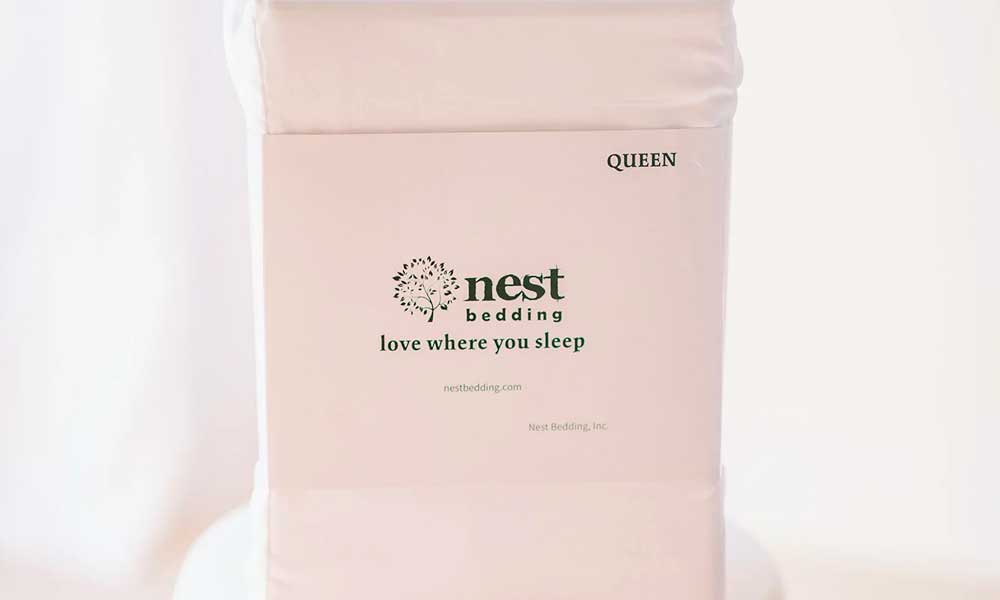
While selecting Nest’s Tencel Sheets, customers can choose between six sizes and five colors, starting at $124 for twin sizing. I appreciated the specificity of the sizing– while I ordered the standard queen size, there are options to select sheets specifically designed to fit the oft-neglected Twin XL, Full, and California King.
The five colors available are sure to fit a variety of color schemes, with neutrals like white, pewter, and biscotti, and statement shades like peach and sage.
When I originally ordered the sheet set, I was more focused on materials and felt generally unaware of the difference bedding can make in a good night’s sleep. The set made a good impression from the start, as I was immediately satisfied by how easy the fitted sheet was to stretch over my mattress, and appreciated the four pillowcases that came with the set. While doubling up on pillows during the night, the frills or ties that often come with shams can feel uncomfortable on my neck.

The sheet set constantly felt like the cool side of the pillow– in the best way.
While sliding into my sheets that night, it was clear that the fabric was going to make a much bigger difference than I’d thought. While I had previously dismissed the set’s moisture wicking and cooling properties as features I didn’t need, these features meant that the sheet set constantly felt like the cool side of the pillow– in the best way. As a restless sleeper, each time I readjusted one of my limbs, I felt a cool patch of bedding against my skin. I happily spent the night, and each thereafter, writhing around like this bear.
Needless to say, my experience with Nest’s Eucalyptus Tencel Lyocell Sheet Set has been downright luxurious. I’m still riding high on the pang of excitement I feel at the thought of going to sleep at night, similar to the satisfaction of taking a look at your fresh haircut in the mirror or opening a much-needed, shiny new laptop.
Nest Bedding was established in 2011 in recognition of the need for mattresses and bedding made with high quality materials at reasonable prices. The company is known as one of the first to develop the bed-in-a-box concept, but has since branched out to create exceptionally comfortable mattresses and bedding. In 2021, the company became the first to offer a Lifetime Renewal Exchange program for its luxury mattresses– meaning that the mattresses can be exchanged years after purchase.


The company goes against the grain in an industry that sells cheaply made products loaded with chemicals. The brand features organic, natural, and affordable bedding and prides itself on its thoughtfully designed products.
I surprised myself by how much I love Nest’s Eucalyptus Tencel Sheet Set. Although I wish there had been more variety in the color options available, the fabric has definitely increased my quality of sleep. I’ve already raved about these sheets to many of my real life friends, and am looking forward to experimenting with Nest’s other products.
Tencel is a branded name for lyocell fiber, which is made from sustainably harvested wood pulp (usually eucalyptus or beech). The production uses a closed-loop process that recycles almost all of the water and solvent used, making it one of the most eco-friendly fabric options out there. Nest Bedding's Tencel sheets use this fiber to create a silky, cool-to-the-touch sleeping surface that's naturally moisture-wicking and hypoallergenic.
They're one of the best options. Tencel naturally wicks moisture and breathes better than cotton, which means it actively pulls heat and sweat away from your body. If you wake up hot and clammy with cotton sheets, Tencel is worth trying before you invest in a new mattress or cranking up the AC. Nest Bedding's version performs especially well in warm weather — the sheets feel noticeably cool when you first get in bed.
The biggest difference is texture and temperature. Tencel sheets feel silkier and smoother than even high-thread-count cotton, with a subtle sheen that looks and feels more luxurious. They stay cooler and manage moisture better. Cotton sheets tend to feel crisper and more structured — a different vibe, not worse, just different. Durability is comparable with proper care. If you prefer silky-smooth sheets that keep you cool, Tencel wins. If you like a classic, crisp sheet feel, cotton might still be your thing.
Machine wash on cold with a gentle detergent and tumble dry on low. That's really it. Avoid bleach and fabric softeners — bleach can damage the fibers and fabric softener leaves a coating that reduces Tencel's natural moisture-wicking ability. The sheets actually get softer with washing, which is a nice bonus. They're lower-maintenance than linen and about on par with cotton in terms of care effort.


About Living Cozy
Expert writers and contributors